
Keynote Speakers
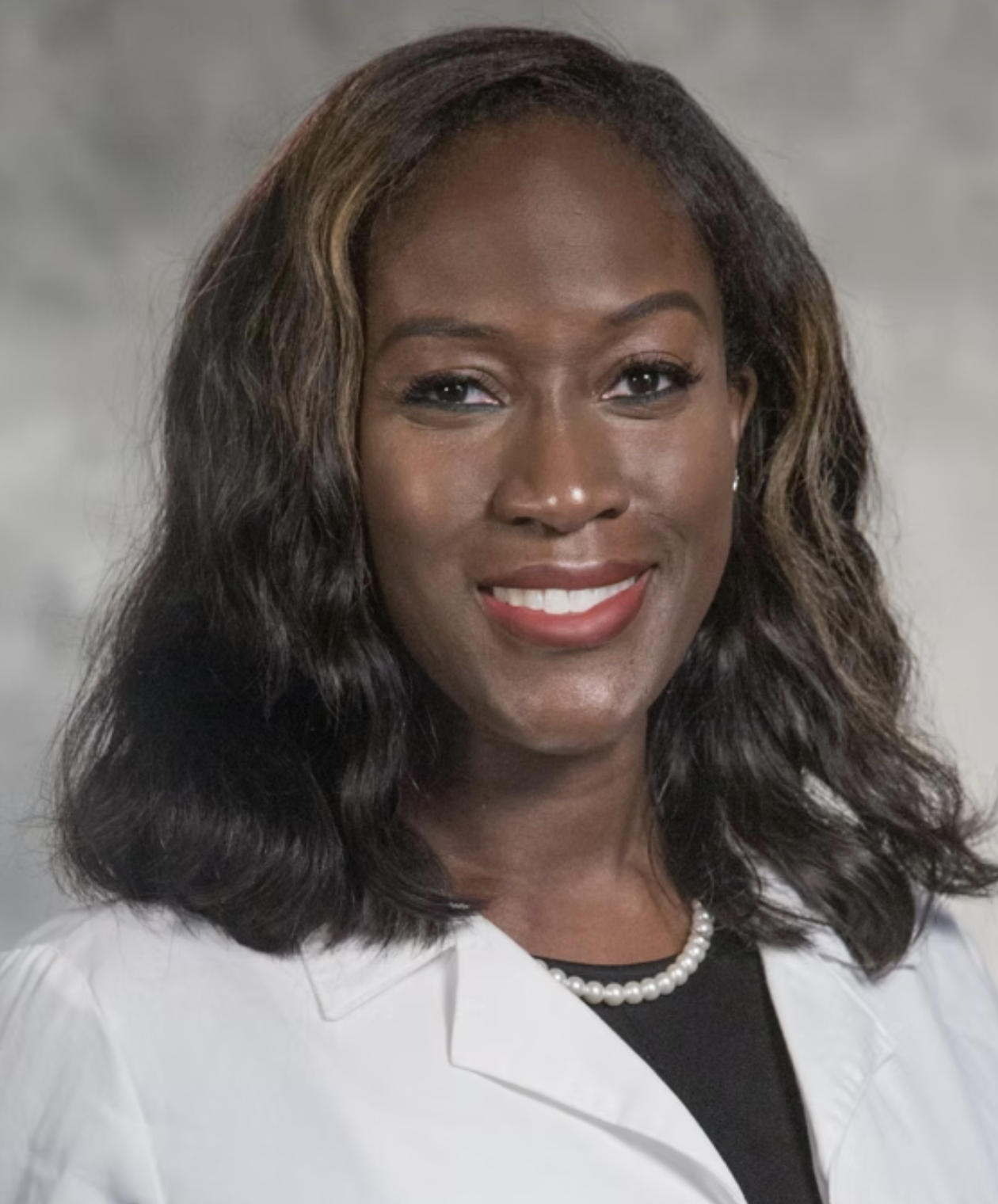
Adjoa Boateng Evans, MD
Dr. Adjoa Boateng Evans is a board-certified, award-winning anesthesiologist and intensivist, trained at Yale University and Stanford University. Her work spans clinical medicine, research, teaching, and medical humanities advocacy.
Before entering medicine, she completed extensive work in public health to serve those at the margins of society and champion equitable healthcare.
She currently seeks to explore the intersection of art and medicine and uses medical humanities as a tool for healing and reconnecting with one's purpose.

Tara Narula M.D., F.A.C.C.
Dr. Tara Narula is a board-certified cardiologist at Lenox Hill Hospital in Manhattan, an Associate Professor of Cardiovascular Medicine at the Zucker School of Medicine, Hofstra/Northwell, the Associate Director of the Women’s Heart Program at Lenox Hill Hospital and Director of Communications for the Katz Institute of Women’s Health. She is also a nationally recognized medical journalist. She is the Chief Medical Correspondent at ABC News and a former medical contributor for NBC News, the former CNN Medical Correspondent within CNN’s award-winning Health, Medical and Wellness team and previously was the Senior Medical Correspondent at CBS News reporting for all CBS News broadcasts and platforms including “CBS Mornings”, “CBS Evening News with Norah O’Donnell”, “CBS Saturday Morning”, “CBS Sunday Morning” and “CBS Streaming Network”. She has been a past contributor as well to O, Oprah Magazine. She joined Lenox Hill Heart & Vascular Institute of New York in 2010 and provides outpatient consultative care. After graduating from Stanford University with degrees in Economics and Biology, she was founder and CEO of her own small business, Sun Juice Inc. Subsequently she obtained her medical degree at USC Keck School of Medicine where she graduated with Alpha Omega Alpha Society Honors. Dr. Narula completed her residency in internal medicine at Harvard University/Brigham and Women's Hospital and her fellowship training in cardiology at New York Presbyterian-Weill Cornell Medical Center. Dr. Narula is currently a fellow of the American College of Cardiology (FACC). She serves as a national spokesperson for the American Heart Association and the AHA’s Go Red for Women Initiative. She is co-director of a mentoring program for women in medicine called FaceofCardiology which serves to help guide women pursuing possible careers in cardiology. She is a recipient of a 2022 Emmy Award for Outstanding Live News Program CBS Mornings, the 2019 WomenHeart Nanette Wenger Award for Media and the Super Doctors Award for NYC 2014-2025. Her interests include women's health, prevention, mental health and resilience. She is the author of the NYT Bestseller “The Healing Power of Resilience” published in 2026.
-
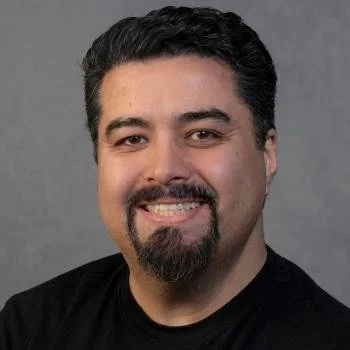
Ehsan Adeli, PhD
SPEAKER
Ehsan Adeli holds a Ph.D. in artificial intelligence and computer vision, with postgraduate training in biomedical imaging and computational neuroscience. His work addresses critical problems at the intersection of healthcare and neuroscience.
His research group focuses on developing Translational Artificial Intelligence (AI) algorithms for applications in medicine and mental health. His research involves the automatic analysis of human activities and behaviors from video data and the integration of these behavioral patterns with brain structure and function through magnetic resonance imaging (MRI). By developing and applying explainable machine learning methods, he aims to identify the underlying factors of neurodegenerative and neuropsychiatric disorders and to understand their impact on everyday human behavior.
His research bridges two core domains: digital humans and human neuroscience. He studies 3D motion, actions, and behaviors using a range of human sensing technologies, including video and wearable sensor data. In parallel, he incorporates clinical and cognitive assessments alongside neuroimaging modalities such as MRI to investigate brain function and neural processes. By integrating these approaches, his group develops computational world models for neuroscience that advance clinical applications and deepen understanding of the complex relationship between human behavior and brain function.
-
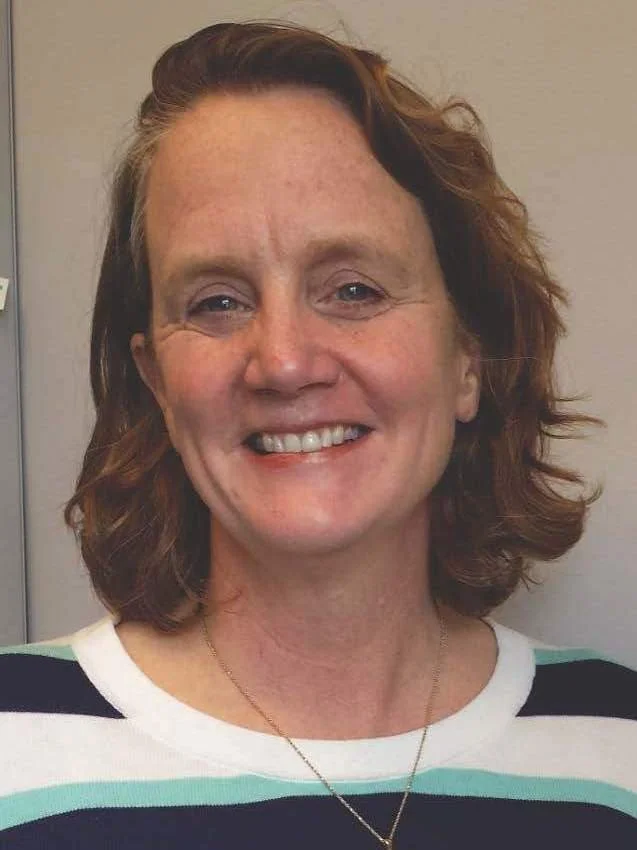
Meg Autry, MD
SPEAKER
Dr. Meg Autry is a board-certified obstetrician/gynecologist and the interim Chief of Obstetrics and Gynecology at UCSF, Fresno. In her clinical practice, she does obstetrics and complex gynecology. Her areas of interest include family planning and benign gynecology. Dr. Autry is a member of the Academy of Medical Educators and serves on the American Board of Obstetrics and Gynecology's Complex Family Planning Division. She is the past president of the Association of Professors of Gynecology and of the SF Gyn Society. She was the Scientific Program Chair for the American College of Obstetricians and Gynecologists (ACOG) 2022 annual meeting and is the current Scientific Program Chair for the Federation of International Gynecologists and Obstetricians.
-
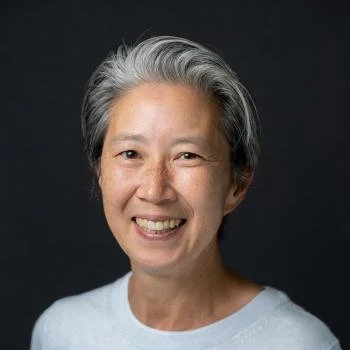
Sharon F. Chen, MD, MS
SPEAKER
Dr. Chen is a Clinical Professor of Pediatrics in the Division of Infectious Diseases at Stanford University, and Member of the Maternal & Child Health Research Institute (MCHRI).
-
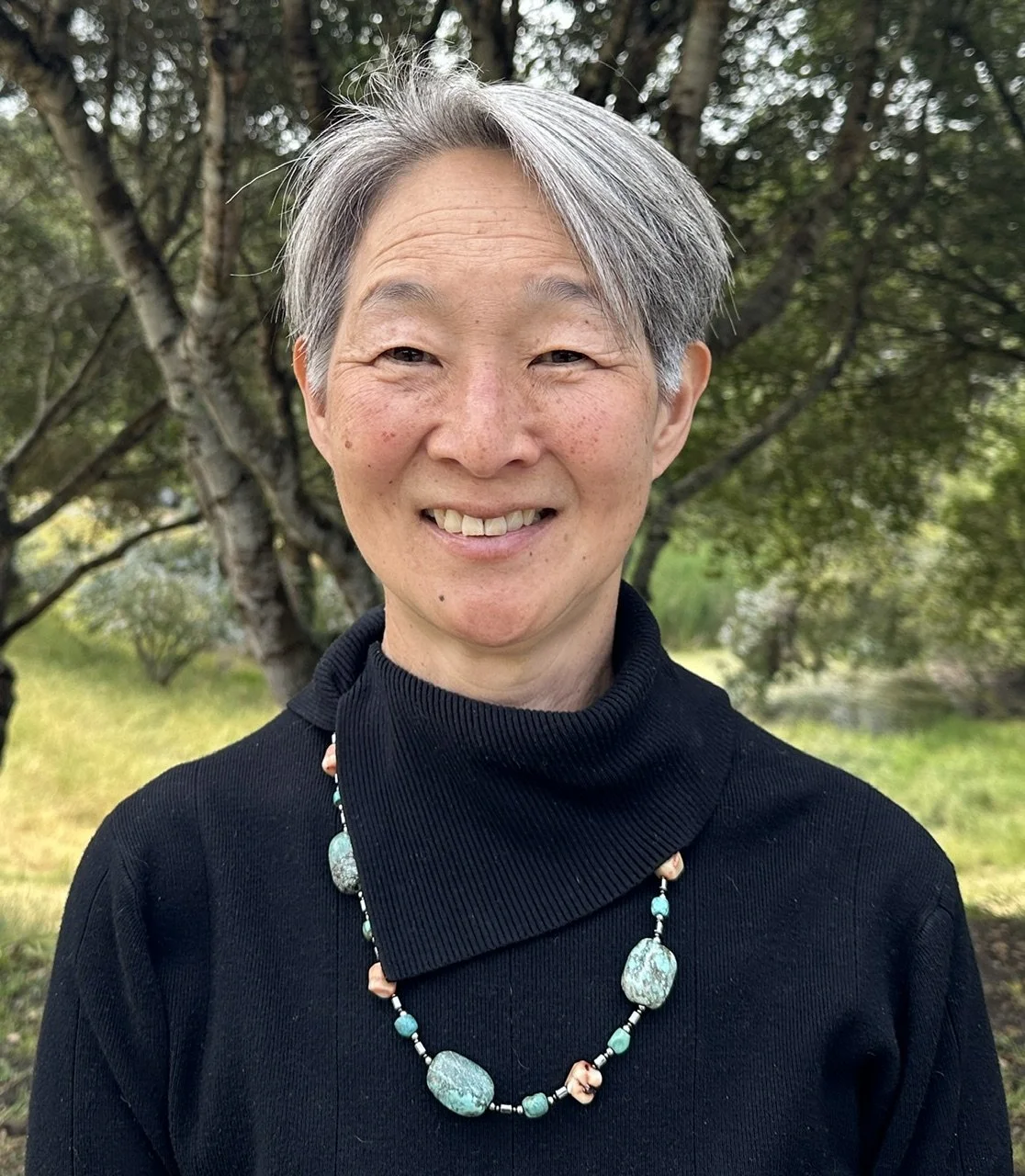
Mildred Cho, PhD
SPEAKER
Mildred Cho, PhD is a Professor (Research) in Pediatrics at the Center for Biomedical Ethics and in Medicine in the Division of Primary Care and Population Health at Stanford University. She also serves as Associate Director of the Stanford Center for Biomedical Ethics, a role she has held since 2003. Dr. Cho’s work sits at the intersection of biomedical ethics, genomics, and emerging technologies, with a particular focus on the ethical, legal, and social implications (ELSI) of genomics, precision medicine, and machine learning in healthcare.
Dr. Cho has led and co-led numerous nationally funded research initiatives, including NIH NHGRI grants on integrating ethics into machine learning for precision medicine, fairness and representation in AI datasets, and the development of national ELSI resources. Her contributions have been recognized with the Bernard Lo, MD Award for Mentorship from the Greenwall Foundation and election as a Fellow of The Hastings Center. She plays a significant advisory role at the national and international levels, serving on multiple NIH boards and committees, including the Board of Scientific Counselors for the National Human Genome Research Institute, and as Co-Director of the Center for ELSI Resources and Analysis.
-
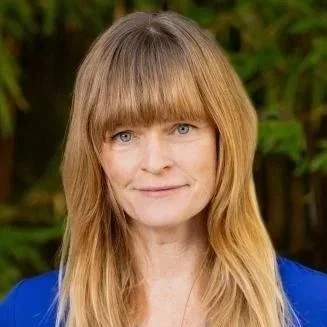
Brooke Cotter, MD
SPEAKER
Brooke Cotter, MD, is a Clinical Assistant Professor of Medicine and a board-certified internist. She completed her medical degree at Stanford University School of Medicine and her internal medicine residency at Stanford University, followed by board certification from the American Board of Internal Medicine.
Dr. Cotter serves on several institutional and professional committees, including the Stanford Hospital Ethics Committee and the Stanford Hospital Committee for Professionalism, and is a Fellow of the CIGH Faculty. She previously served on the Professional Affairs Committee of the Palo Alto Medical Foundation. In addition to her academic and clinical roles, Dr. Cotter is the Director of the UGHE–Stanford Education Initiative, reflecting her commitment to community engagement and global health education.
-
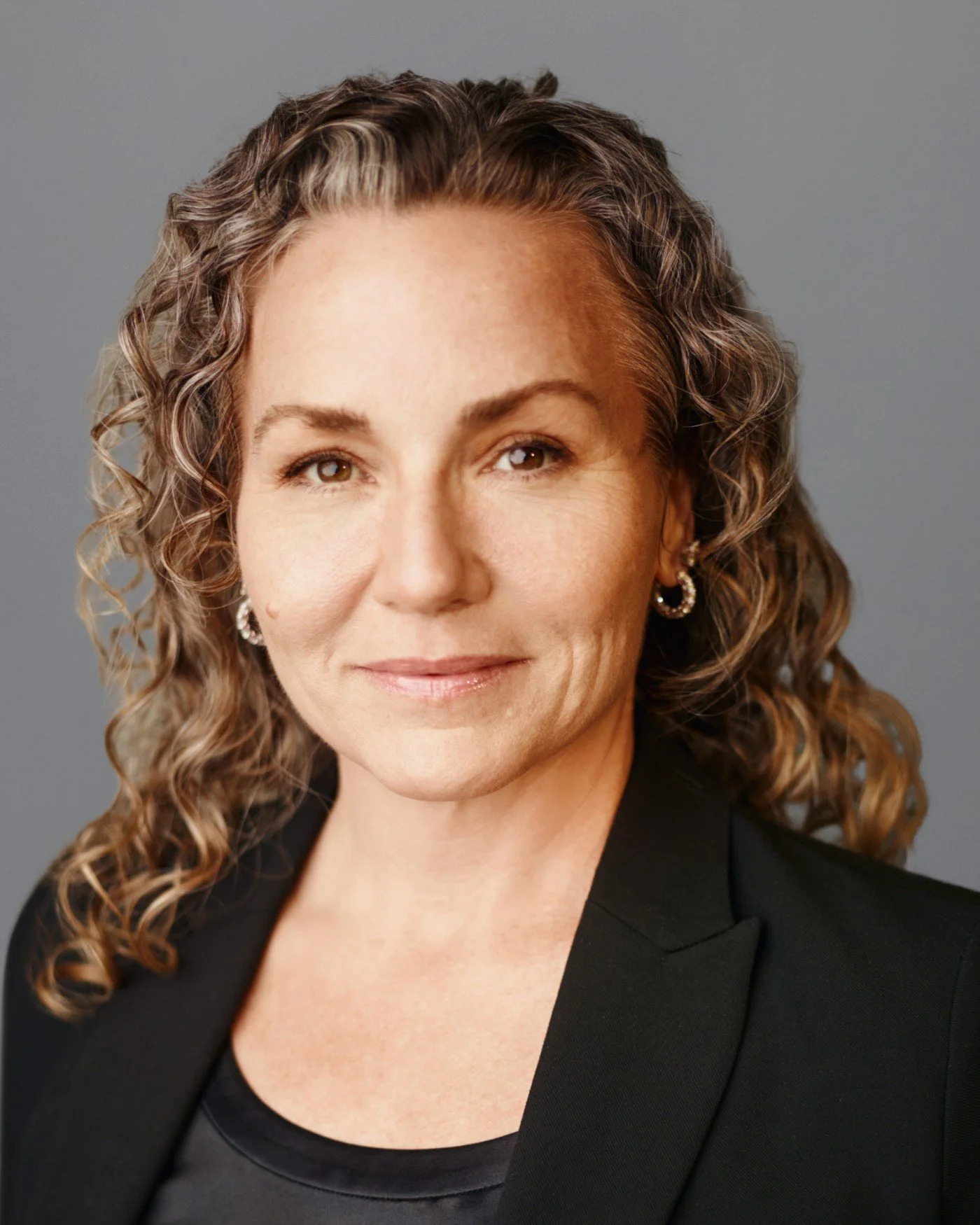
Megan P. Hall, PhD, VP Medical & Corporate Affairs, Distinguished Scientist, GRAIL
Megan P. Hall, PhD is Vice President of Medical & Corporate Affairs, and a Distinguished Scientist, at GRAIL, Inc. Dr. Hall established and built GRAIL’s Medical Affairs group, supporting the development and launch of Galleri, the first blood-based multi-cancer early detection test. Previously, Megan led Medical Communications at Jazz Pharmaceuticals, where she focused on healthcare provider-focused engagement and education strategies for the company’s hematology/ oncology and chronic pain product portfolios. Before Jazz, Megan established and built a Medical Communication team at Natera to support the launch and evolution of the Panorama non-invasive prenatal test, and was an editor at the flagship open access journal PLOS Biology. She has also held various research roles funded by the American Heart Association, California Institute of Regenerative Medicine, National Institutes of Health, and the Howard Hughes Research Foundation. Megan earned a BS in Biological Sciences from the University of California at Santa Barbara, and a PhD in Microbiology, Immunology, and Molecular Genetics from the University of California at Los Angeles.
-
Abha Khandelwal, MD
SPEAKER
Abha Khandelwal is an imaging cardiologist who has clinical experience in cardio-obstetrics, structural disease and prevention of cardiovascular disease in high risk populations. She has a Master’s in Management of Information Systems and has integrated technology to improve operations within the cardiovascular ambulatory clinics. She serves as the Ambulatory Clinic Chief for Cardiovascular Medicine and the General Cardiology Section Lead. Her research spans clinical trials in preventative cardiology, imaging, cardio-obstetrics and women’s heart health. She is the cardiac director of the maternal heart program in collaboration with Maternal Fetal Medicine and Anesthesia. She has participated in a broad range of phase II- phase III clinical trials targeting treatment of elevated lipoprotein a for secondary prevention of cardiovascular disease, diabetes control in cardiovascular disease and dyslipidemia in high risk populations. She has worked within the Stanford South Asian Translational Heart Initiative (SSATHI) program looking at technology utilization to improve adherence to care plans in the south Asian population. She is the course director for the first annual CME for transforming cardiac rehab in the fall at Stanford. She has utilized digital health initiatives to improve cardiometabolic profile of women with history of gestational diabetes and hypertension post-partum. She is an active member in the AHA go red scientific advisory committee and helped with virtual enrollment for their initiatives. As Ambulatory Clinic Chief, she has worked at operationalizing mobile technology within the clinics and used remote patient monitoring to improve patient outcomes. Her vision is to integrate technology to improve health care delivery, health in high-risk populations, and reduce health disparities.
-

Amy Larocca
SPEAKER
Amy Larocca is an award-winning American journalist. She spent 20 years working at New York magazine as both Fashion Director and Editor at Large. Her writing has appeared in the New York Times, Vogue, Town & Country and the London Review of Books, among others.
-
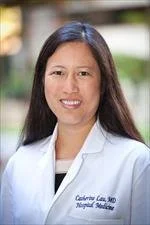
Catherine Lau, MD
SPEAKER
Catherine Lau is a Professor of Clinical Medicine at UCSF and a member of the Division of Hospital Medicine since 2009. She currently serves as the Director of Caring Wisely at UCSF Health where she focuses her efforts in redesigning and innovating systems of care at UCSF Health to improve quality, safety, value, and the patient experience. Catherine is also the Co-Director for Health Systems Improvement in the Clinical Microsystems Clerkship in the UCSF School of Medicine where she co-leads an experiential curricula for pre-clinical medical students to gain meaningful experiences in health systems improvement and A3 problem solving. Catherine serves as a UCSF School of Medicine Bridges curriculum coach, where she closely works with medical students in teaching them systems improvement skills, clinical reasoning, the patient interview, and the hypothesis-driven physical exam, while assisting them with career exploration advice. Lastly, Catherine currently serves as the Director for Recruitment and Hiring for the Division of Hospital Medicine that now has over 100 academic and clinical faculty.
-
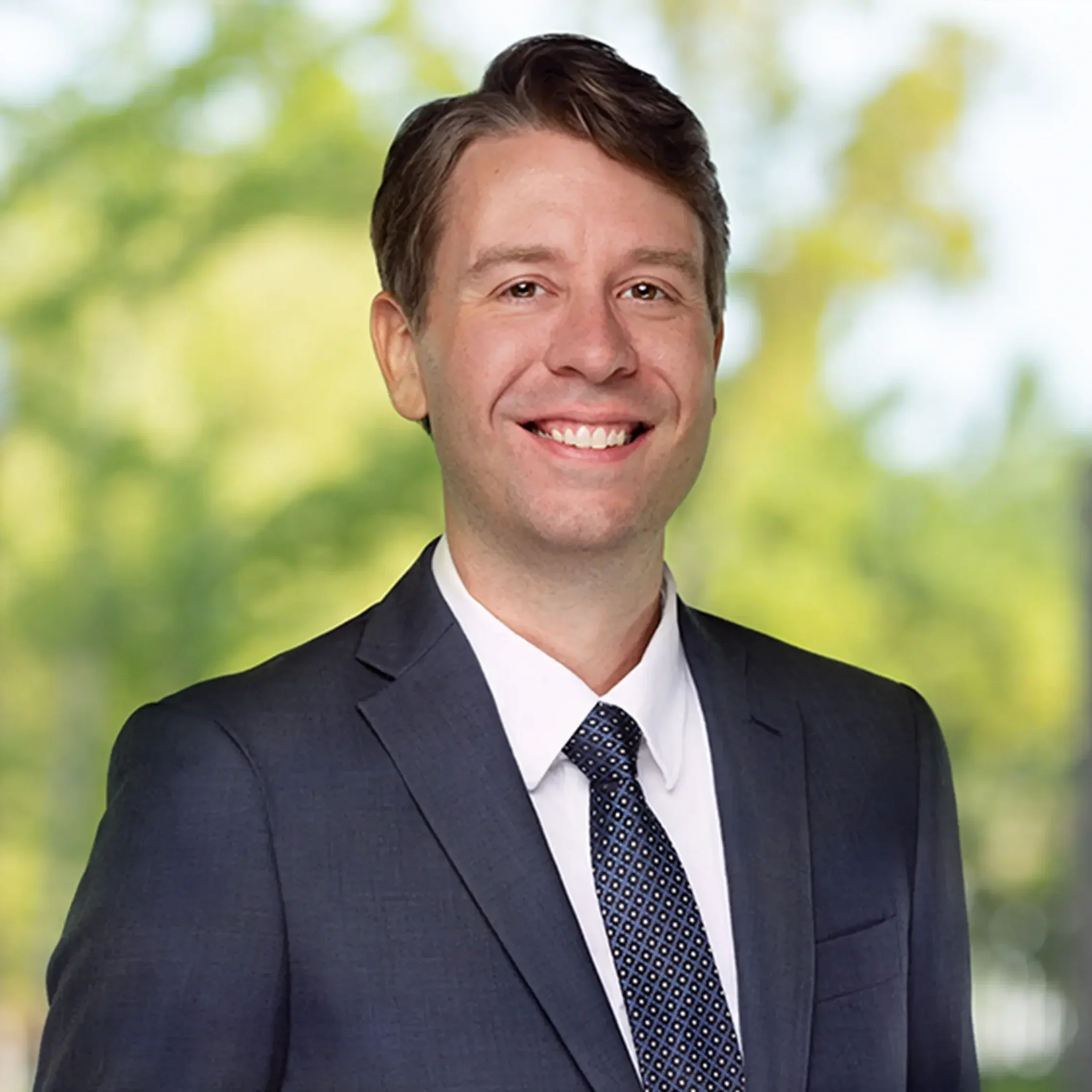
Stephen Nix, MD, MA
SPEAKER
Dr. Nix received his bachelor’s in English literature from the University of Arkansas, Fayetteville, and is interested in the integration of health humanities principles into pathology education and practice. He received his MD from UAMS, Little Rock, and participated in the Medical Research Scholars Program at the National Institutes of Health (NIH). He completed a combined Anatomic and Neuropathology fellowship through Johns Hopkins Hospital and continues to practice as a board-certified neuropathologist with special interests in head, neck, and eye pathology.
Dr. Nix has presented internationally, nationally, and regionally in pathology, published over fifteen peer-reviewed articles and multiple book chapters, and received awards in surgical pathology research, resident education, and creative writing. He currently serves as a subspecialty editor for PathologyOutlines.com and is a member of the American Association of Neuropathologists, North American Society of Head and Neck Pathology, and the United States and Canadian Academy of Pathology.
-
Peter Poullos, MD
SPEAKER
Dr. Poullos is a native of Stockton California. He earned his B.S. at Santa Clara University and M.D. degree at the University of Texas Medical School at Houston, after which he did an Internal Medicine residency at the University of California-San Francisco, finishing in 2002. He stayed at UCSF as a Gastroenterology fellow until 2004. However, after a spinal cord injury, he decided to retrain in Radiology. He did his Radiology residency at Stanford University, where he also completed a fellowship In Body Imaging in 2009. Dr. Poullos is now a faculty member in both the departments of Radiology and Gastroenterology and Hepatology. His clinical practice is at Stanford Medicine, where he specializes in CT, MRI, and ultrasound of the abdomen and pelvis. His interests include radiology of the acute abdomen, hepatobiliary imaging, and colorectal cancer screening.
-

Azra Raza, MD
SPEAKER
Dr. Azra Raza is the Chan Soon-Shiong Professor of Medicine and Director of the MDS Center at Columbia University in New York. She is an accomplished scientist who supervises a state-of-the-art basic research lab and a Tissue Repository of blood and marrow samples collected since 1984. Dr. Raza is a dedicated reader of Urdu literature, the co-author of GHALIB: Epistemologies of Elegance. She is the author of The First Cell: And the Human Costs of Pursuing Cancer to the Last published by Basic Books, October 2019.
-
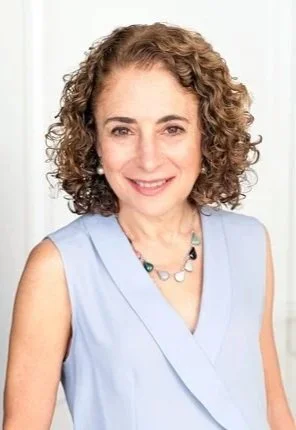
Elisabeth Rosenthal, MD
SPEAKER
Dr. Elisabeth L. Rosenthal, was appointed editor-in-chief of Kaiser Health News in 2016, after more than 2 decades with the New York Times. She received a B.S. degree in biology from Stanford University, an M.A. degree in English literature from Cambridge University, and an M.D. degree from Harvard Medical School.
Rosenthal began her Times career as a reporter in the science department, and went on to cover the health and hospitals beat on the metro desk. In 2008, after a stint in Beijing and another in Rome, she returned to the U.S. as a New York-based Times senior writer covering environmental issues.
Rosenthal went back to healthcare writing after being asked to cover the Affordable Care Act during the 2012 election campaign. Libby’s two-year-long New York Times series “Paying Till it Hurts” (2013-14) won many prizes for both health reporting and its creative use of digital tools. "An American Sickness: How Healthcare Became Big Business and How You Can Take it Back," her first book, grew out of her desire to help patients understand and tackle the high cost of U.S. medicine.University and Harvard Medical School and briefly practiced medicine in a New York City emergency room before converting to journalism.
-
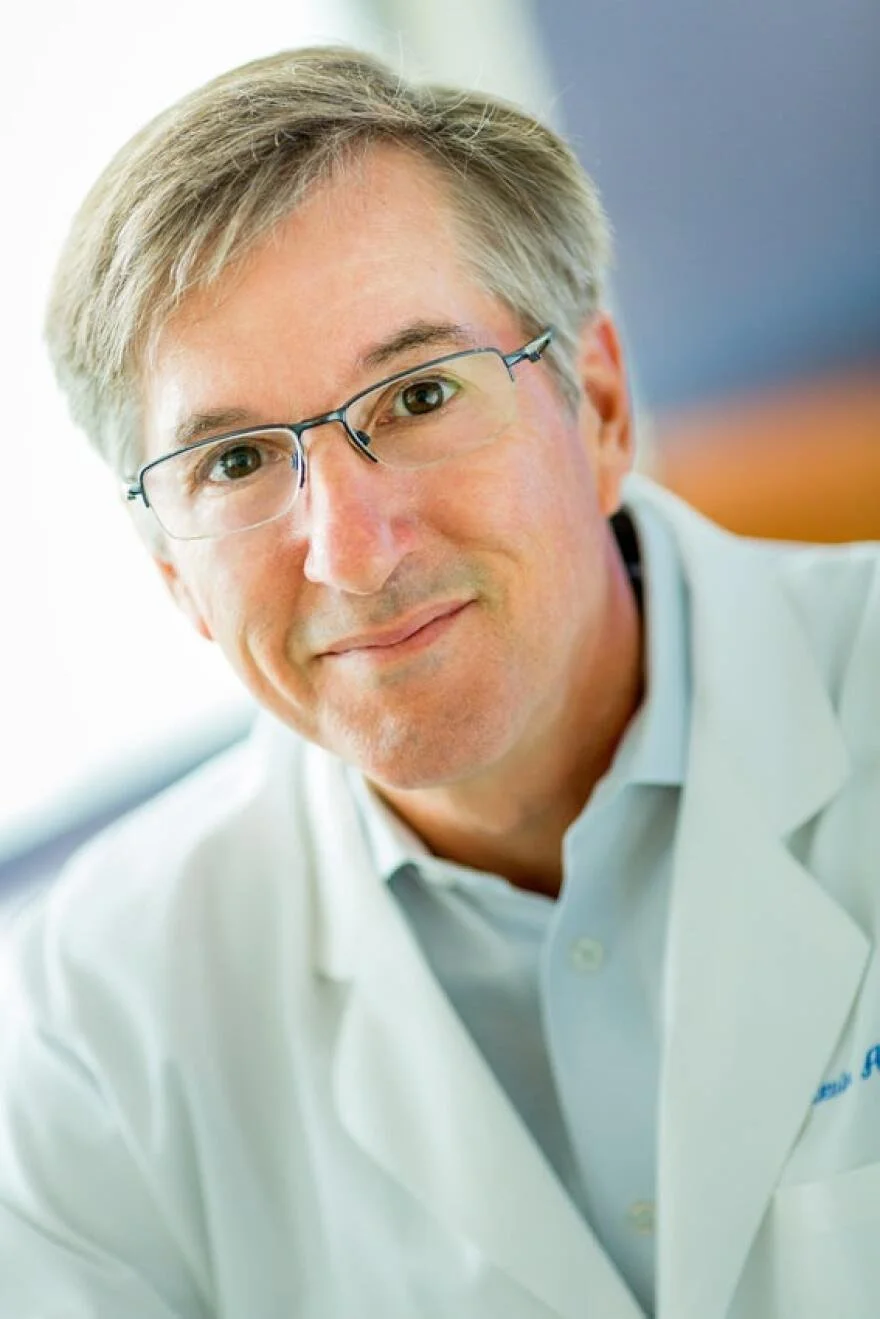
Kevin Schulman, MD
SPEAKER
Dr. Schulman is a Professor of Medicine, and, by courtesy,Professor of Operations, Information and Technology at Stanford’s Graduate School of Business. He serves as an Associate Chair of the Department of Medicine. He is the Faculty Director of Stanford’s new applied master degree program, the Master of Science in Clinical Informatics Management program. He also serves as Deputy Director of the Clinical Excellence Research Center (CERC) at the Stanford University School of Medicine, and has an appointment in the Department of Health Policy (by courtesy).
Dr. Schulman is a health economist/health services researcher working at the intersection of business, medicine and technology. With over 500 publications, he has had a broad impact on several areas of health policy (Scopus h-index=83). His research has appeared in the New England Journal of Medicine, the Journal of the American Medical Association, and Health Affairs. He is the editor-in-chief of Health Management, Policy and Innovation (www.HMPI.Org), and Senior Associate Editor of Health Service Research (HSR). -

Nirav Shah, MD, MPH
SPEAKER
Nirav R. Shah, MD, MPH, is Senior Scholar at Stanford University’s School of Medicine. He is a distinguished healthcare leader with experience as an operator, scientist, innovator, and regulator. His expertise spans public health, digital health and generative AI, public and private health insurance, and clinical operations across the continuum of care. At Stanford, Dr. Shah conducts research on improving healthcare quality and safety while lowering cost, driving adoption of digital technologies, and quantitatively evaluating the resulting value for US and international health care systems. Dr. Shah is Board-certified in Internal Medicine and is a graduate of Harvard College and Yale School of Medicine. He is an Advisor to the CDC Director, Senior Fellow of the Institute for Healthcare Improvement (IHI), independent director of STERIS plc [NYSE:STE], and trustee of the John A. Hartford Foundation. Previously, he served as Chief Operating Officer of Kaiser Permanente in Southern California, and as Commissioner of the New York State Department of Health.
-
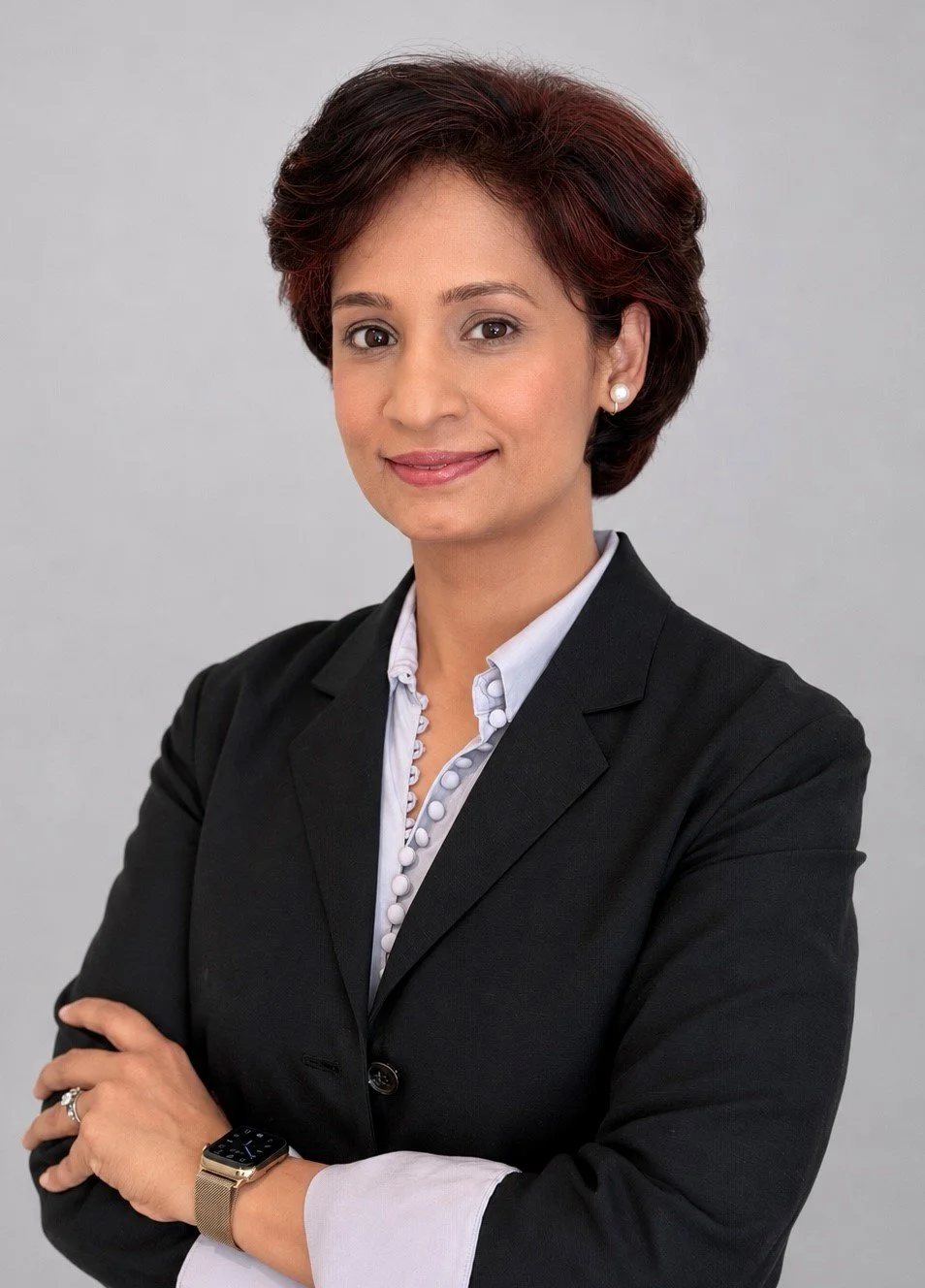
Aditee Shrotre, MS
SPEAKER
Aditee Shrotre is Associate Director within Precision Medicine function at AbbVie, where she founded and leads the Computational Pathology and AI function. She leads the strategy and development of regulatory-grade multimodal AI for biomarker discovery, companion diagnostics, and precision oncology. Her team develops AI models spanning H&E and IHC pathology, spatial biology, genomics, and real-world clinical data, while pioneering agentic AI systems that integrate these modalities to accelerate biomarker discovery and clinical decision-making. Her team was recognized with AbbVie’s President’s Award, the company’s highest honor, for pioneering AI-driven companion diagnostics that accelerate drug development and expand patient access to precision medicines.
Over the course of her career, Aditee has built and deployed AI systems across healthcare, life sciences, and scientific instrumentation. Prior to AbbVie, she led the machine learning platform at Specific Diagnostics, where her work reduced antibiotic susceptibility testing turnaround from more than 48 hours to under 8 hours and contributed to the platform’s FDA Breakthrough Device designation and 510(k) clearance. Earlier, she developed production AI systems for Thermo Fisher Scientific’s electron microscopy platforms and conducted computer vision research during her PhD at Arizona State University.
Aditee’s work spans multimodal AI, computational pathology, foundation models, and AI for clinical decision support. She is passionate about translating cutting-edge AI into trusted, real-world systems that accelerate drug development and improve patient outcomes. She holds two patents, has authored numerous scientific publications, and is an active mentor and speaker within the life sciences AI community.
-
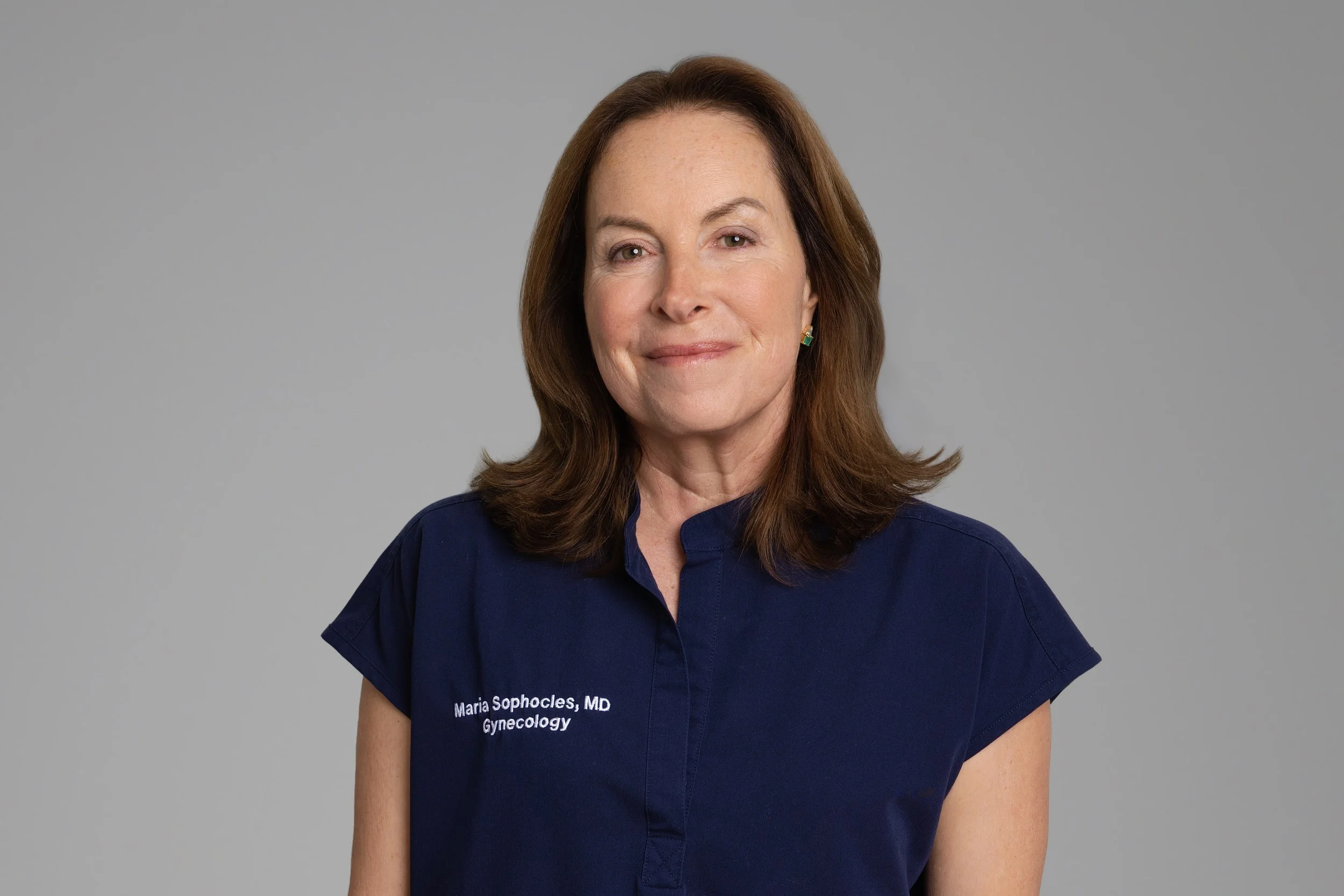
Maria Sophocles, MD, FACOG, MSCP, TED speaker, author, gynecologist
SPEAKER
From 2001 to 2007, Dr. Sophocles was a visiting professor and member of an NIH research team at the Frauenspital in Basel, Switzerland. When she moved back to the U.S. in 2007, she founded Women’s Healthcare of Princeton, a progressive gynecology practice that now draws patients from all over the U.S.
A board-certified ob/gyn, she is also a Menopause Society Certified Practitioner. She has been recognized for her contributions to gynecology and, as such, has been named a fellow of both the International Society for the Study of Women’s Sexual Health (ISSWSH) and the International Society for the Study of Vulvovaginal Diseases (ISSVD).
In 2015, she was one of the first U.S. clinicians to recognize the need for a non-estrogen option to treat vaginal atrophy in breast cancer survivors and pioneered the use of CO2 laser both intravaginally and on the vulva. She has taught clinicians this technology on five continents and advocated for women’s health, reproductive, and sexual rights in the U.S. and abroad.
Working with New Jersey Senator Shirley Turner in 2023, she played a crucial role in the passage of a bill in New Jersey allowing women to obtain contraception without serial visits to a clinician.
-
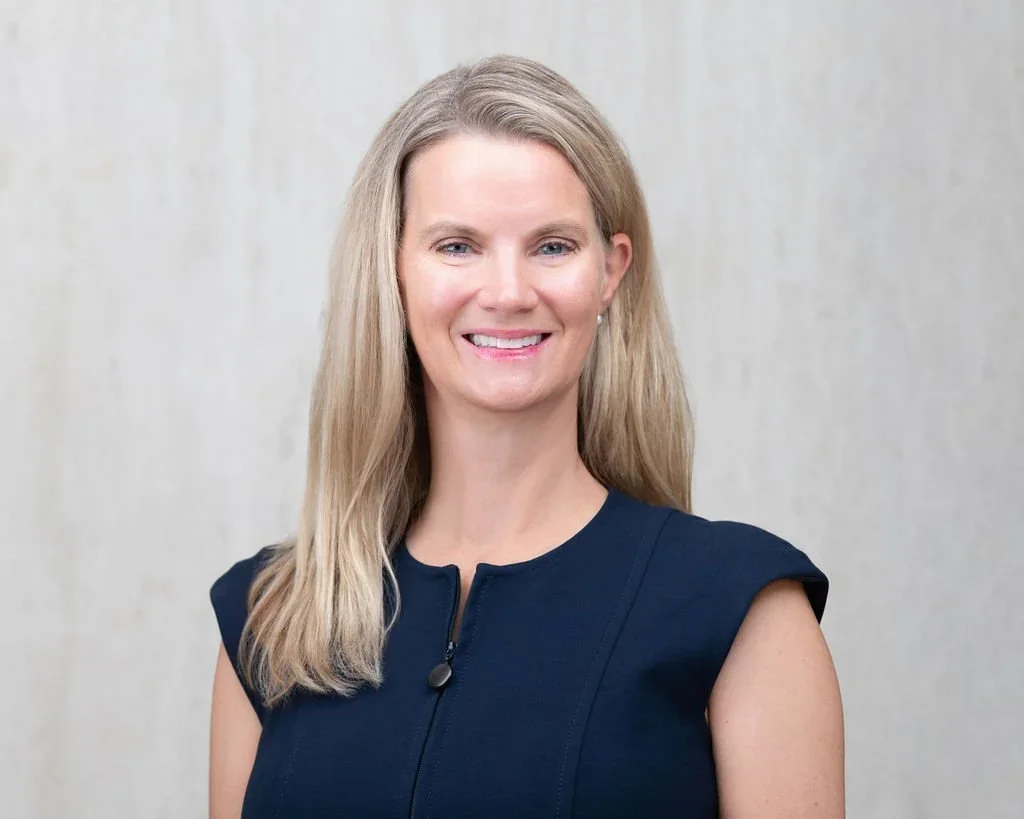
Amy Voedisch, MD, MSCP
SPEAKER
Dr. Amy Voedisch is an associate clinical professor of obstetrics and gynecology at Stanford University, board-certified Complex Family Planning physician, and certified menopause practitioner through The Menopause Society. She also holds a master’s degree in epidemiology and clinical research from Stanford. She is one-half of the podcast, OvarayActive and co-author of, Estrogen, Interrupted: A guide to surviving and thriving in perimenopause, a comprehensive guide to a critically misunderstood and under-researched phase of women’s lives.